

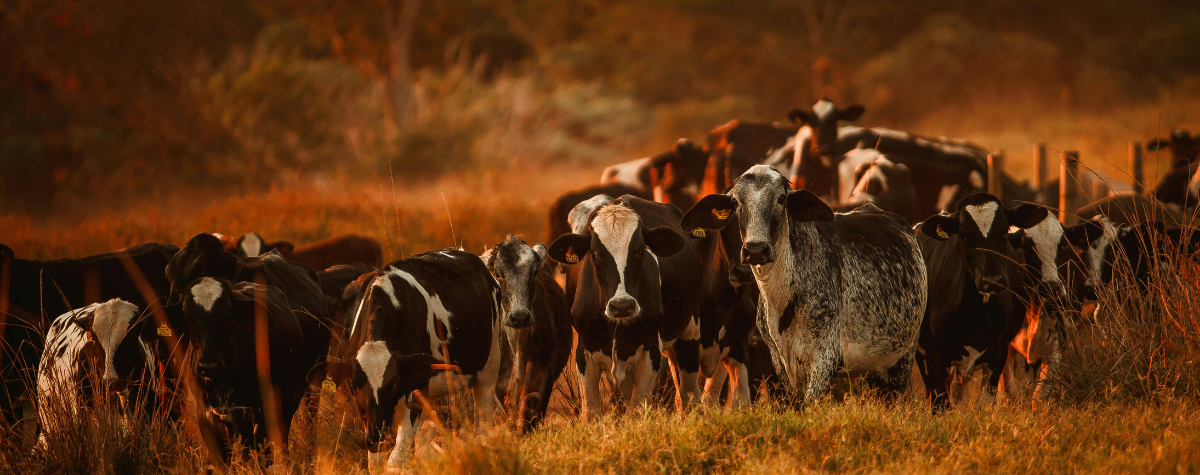
Rumin8 has added to its recent suite of successful oil and granule product trials with a water-delivered product that has generated significant productivity benefits alongside strong methane reduction results. The results demonstrate the potential of using treated drinking water as a methane mitigant in grazing production systems when most mitigants are focused on feedlot systems.
The trial of Rumin8’s water-delivered additive in Queensland ticked three important boxes, delivering enhanced feed conversion efficiency, significant methane abatement and no impact on eating quality and carcase characteristics.
Conducted at Central Queensland University, the trial tested Rumin8’s water-delivered additive against an untreated control group. The aim was to better understand if water delivery would add to Rumin8’s suite of products to increase productivity whilst reducing methane emissions.
Importantly for farmers, the results showed that inclusion of Rumin8’s additive in the cattle’s drinking water resulted in a 15% increase in feed efficiency, when compared to the feed conversion efficiency of the control group.
In addition, the additive delivered via drinking water reduced methane production by 37%.
“A 15% increase in feed conversion efficiency is a massive gain for beef farmer cost efficiency,” said Rumin8 CEO David Messina.
“Importantly, this trial demonstrates the potential of the use of the water-based delivery method for extensive production systems, whether beef farmers are chasing feed conversion efficiency, methane abatement, or both.
“These results show that a low additive dose delivered via drinking water is effective in reducing enteric methane emissions and increasing feed efficiency. It provides an alternative method for delivering additives in grazing and other feeding systems where feed-based delivery is impractical.”
At the conclusion of the trial, the carcase characteristics of the steers receiving the additive via water and the control treatment group were compared.
Using the Meat Standards Australia Index as an overall eating quality measure, the control group had an average MSA Index of 54.6 compared to an MSA Index of 55.1 for the treatment group.
Ossification and pH were the same across both groups, with no significant variation in other carcase attributes, including marbling, meat colour, rib fat and eye muscle area.
This trial manuscript has been accepted for publication in Animal Feed Science and Technology.
Download the press release as a PDF
Media:
Cameron Morse
+61 433 886 871
[email protected]
About Rumin8
Rumin8 is an agriculture-focused climate tech company, using pharmaceutical technology to create affordable feed and water supplements that reduce methane emissions from livestock. Our patented process delivers a nature inspired and derived pharmaceutical ingredients to interrupt methane production, as well as boost animal performance. We’re perfecting various formulations for diverse livestock feeding systems, including grass-fed cattle, aiming to decarbonize 100 million cattle by 2030.
To learn more please visit: http://www.rumin8.com