

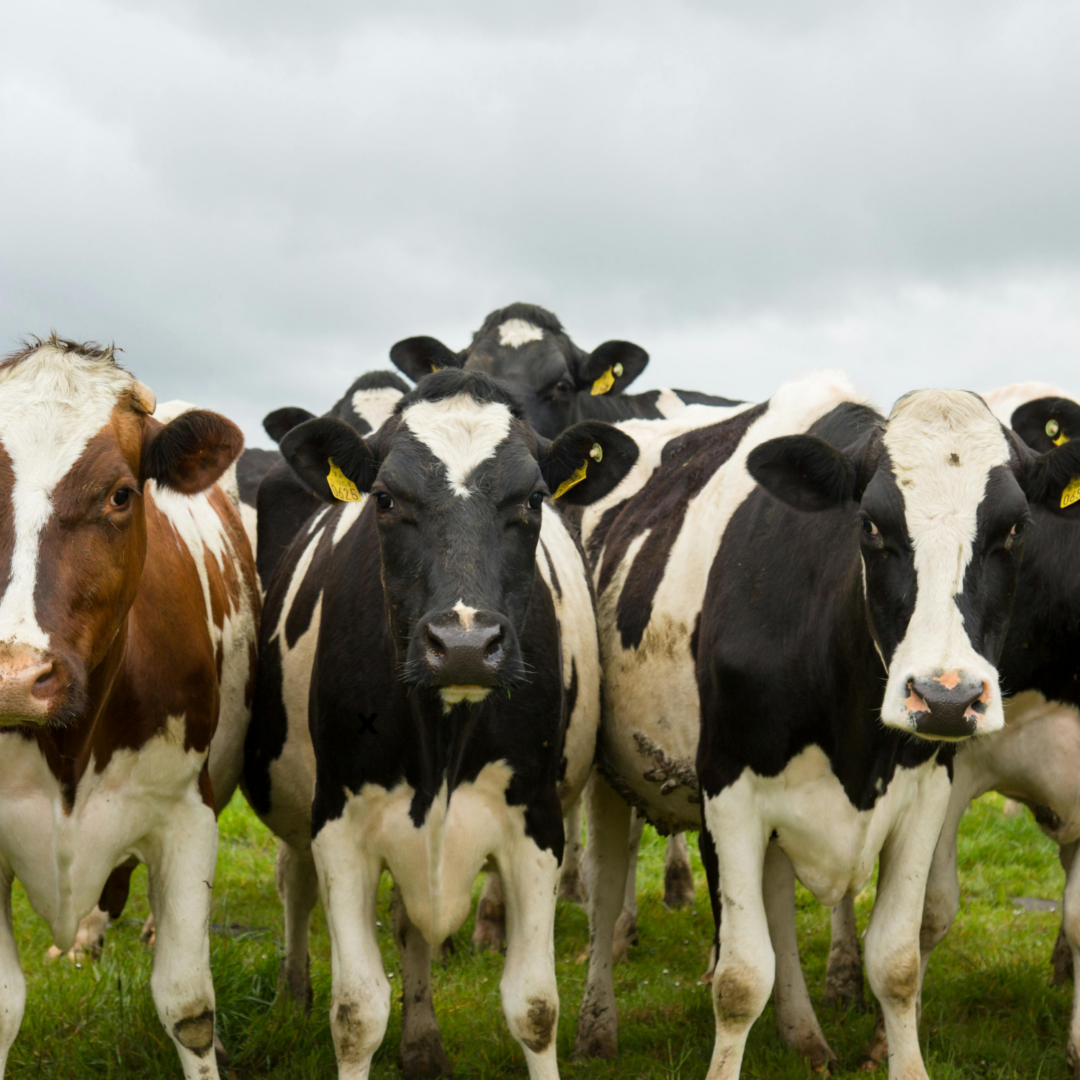
Can feeding cattle (cows) with a bromoform-based feed additive reduce methane emissions without impacting the health of consumers or the animals? The answer is a resounding yes, according to results from an Australian trial, the results of which were published in the American Society of Animal Science Journals.
And, in a plus for consumers, the feed additive had no impact on the eating quality of the steaks from the trial animals.
The study, “Bioactive metabolites of Asparagopsis stabilized in canola oil completely suppress methane emissions in beef cattle fed a feedlot diet” (https://academic.oup.com/jas/article/doi/10.1093/jas/skae109/7655728) assessed the impact of three different concentrations of methane inhibiting feed additive stabilized in canola oil on a range of parameters, including methane reduction, animal health and human health, as well as meat tenderness.
The summary from the study’s authors was resounding: “Overall, Asp-Oil (asparagopsis steeped in vegetable oil) was found to effectively reduce CH4 (methane) emissions and is safe for animals and consumers of meat and edible offal.”
Looking at each study parameter.
Did the feed additive reduce methane emissions from treated cattle?
Yes, the feed additive in this study had a significant impact on methane emissions in the treated cattle.
The low dose achieved a 64% reduction when compared to the control group of cows, the medium dose caused a 98% methane reduction and the high dose a 99% reduction. So near total elimination of methane emissions was achieved in two out of the three treatment groups, and a significant reduction was achieved in the third.
What is the impact on human and animal health?
It is a reasonable question to ask that bromoform through bromoform-based feed additives, does it create residues in the animal’s meat or organs?
The study’s authors sought to answer that question by collecting and analysing fecal (poo) samples during the trial and organ and meat samples immediately post-slaughter.
The answer from that analysis: “Bromoform could not be detected in any samples of feces, kidney, liver, fat or striploin (steak or meat).”
Is meat tender and tasty, or dry and tough, if the cattle have consumed bromoform in their feed?
Most methane studies finish at the residue analysis. This study also sought to evaluate if there were any impacts on the eating quality of the steaks from the cattle in the trial.
Properly assessing meat eating quality is sophisticated. Meat Standards Australia has a strict set of protocols (https://www.mla.com.au/research-and-development/reports/2017/meat-standards-australia–sensory-testing/) to ensure meat eating quality results are robust. Those protocols were used in this trial. Steak samples were evaluated by a panel of 60 untrained consumers, with 10 consumers evaluating each of the 42 samples and all consumers being served seven samples. The MSA consumer taste panel used untrained consumers to score meat samples for tenderness, juiciness, flavour, and overall acceptability.
And the finding of the meat eating quality tests: “The sensory evaluations confirmed that there was no significant difference for any of the eating quality traits in any of the treatment groups compared to the control.”
What the study did not find
The trial found no adverse animal health outcomes, no detectable residues in edible tissues, and no negative impact on consumer-assessed meat quality attributes.
The conclusion
This is one more trial demonstrating that feeding cattle a bromoform additive does not cause bromoform residues in meat or organs, so the steak is safe to eat, and it can significantly reduce methane emissions from the cows.
In this case, the bromoform was delivered through asparagopsis (red seaweed) and oil.
These findings align with the broader direction of bromoform-based methane mitigation technologies being developed by companies such as Rumin8, which focus on stabilising bromoform for safe, controlled use in livestock systems.
And the taste, tenderness and juiciness of your steak is not impacted either.