

In March 2026, the question was posed: Can you use a bromoform-based feed additive to obtain methane reductions, while ensuring human food safety, animal safety and juicy steaks – all at the same time?
The answer was yes, according to an Australian trial, the results of which were recently published in the American Society of Animal Science Journals. (https://rumin8.com/methane-reductions-human-safety-animal-safety-and-juicy-steaks-yes-you-can-get-all-four/)
But was that result a ‘one off’, or is it repeatable?
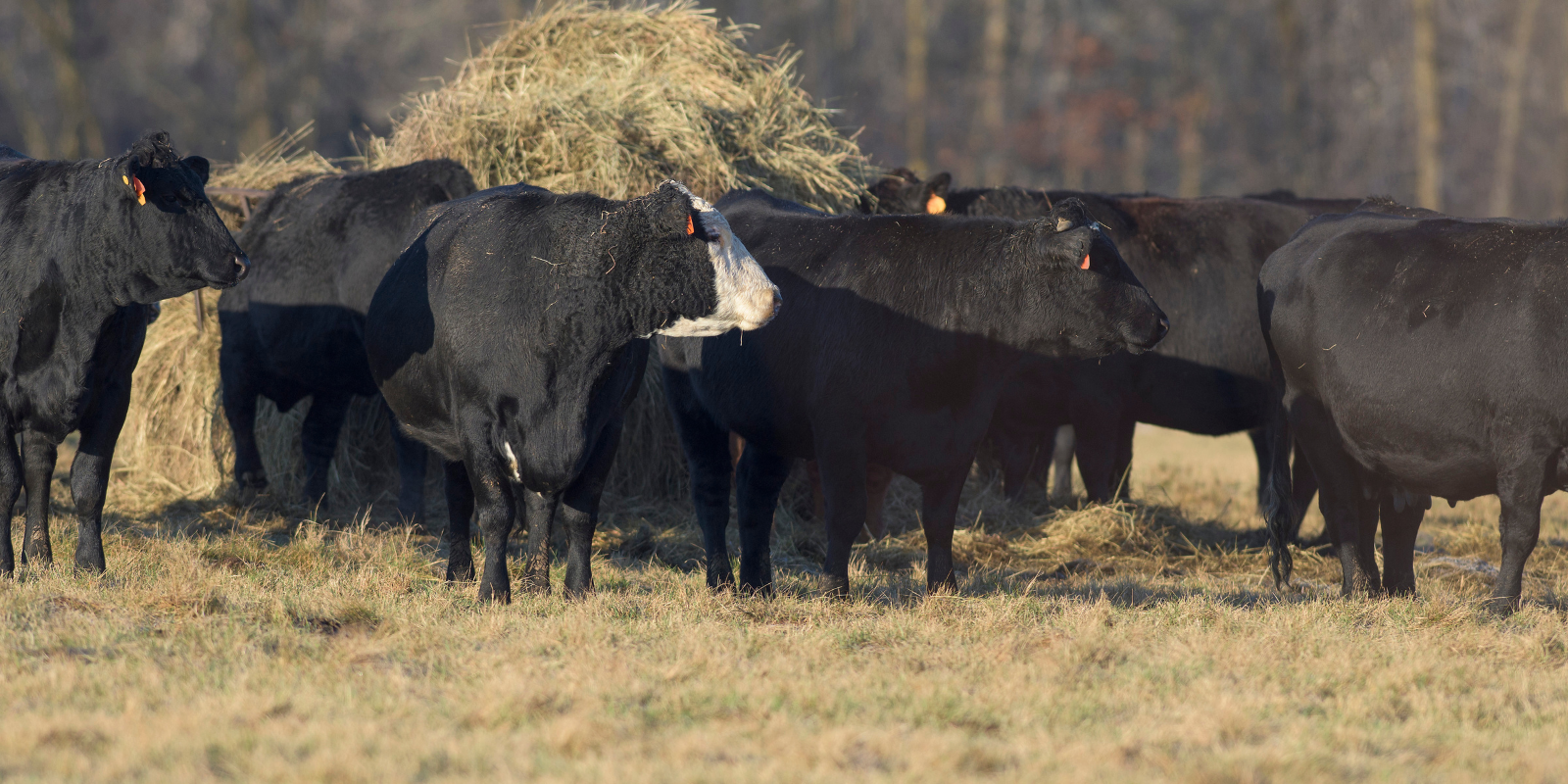
A separate trial has been conducted in a commercial Australian feedlot by the veterinary and nutritional consulting business Bovine Dynamics, in conjunction with Texas Tech University, and was published in the American Society of Animal Science 2024.This trial investigated the effect of a canola oil infused with Asparagopsis armata (which contains the active ingredient bromoform) on methane emissions, animal health, performance and carcass quality, using Angus feedlot cattle.
In a positive result for:
The cattle and the farmer: Angus steers fed the product for 200 days converted feed more efficiently into carcass weight with higher average daily gain and with higher exit weights compared to cattle fed a control ration.
The planet: The treatment group demonstrated a significant reduction in methane production, yield and intensity.
Steak lovers: Strip loins from control and treated cattle were similar regarding consumer sensory attributes, including juiciness and flavour.
Human health: Residue testing confirmed the muscle, fat and kidney from treated cattle, were free from bromoform residues.
The results in more detail
150 Angus steers with an initial average body weight of 474.4kg were fed a wheat and barley ration for 200 days in a large, commercial feedlot. In addition, the treatment group received 25mg bromoform per kg dry matter intake.
Feed intake and weight gain
Feed intake was similar between the groups, but the treatment group gained more weight per day, resulting in 6.6% more weight added per kg feed eaten (Feed Conversion improvement). Because they gained more without eating more, they also exhibited an improvement in Average Daily Gain. Both of these represent a material and statistically significant improvement in productivity.
Methane emissions
The treatment group produced 51.7% less methane (64.54g CH4/day vs 133.74g CH4/day), equating to a 50.5% reduction in methane yield over the 200-day feeding period, compared to cattle fed the control ration.
Eating quality
The treatment group had similar marbling, meat colour, eye muscle area, ultimate pH and Meat Standards Australia index, compared to the control cattle. These factors contribute to eating quality.
The trained sensory evaluation of the steaks was undertaken at Texas Tech University where trained taste testers rated the beef for a range of factors (tenderness, juiciness, butter, grassy, flavour). There was no discernible difference between the scores awarded to the control and treatment beef.
Food safety
There were no detectable levels of bromoform in muscle, fat and kidney samples.
Conclusion
This trial adds to the growing body of evidence that bromoform-based feed additives reduce methane in cattle, do not result in bromoform residues in meat and do not impact the quality of the meat produced.